My first project: Moses Voigt
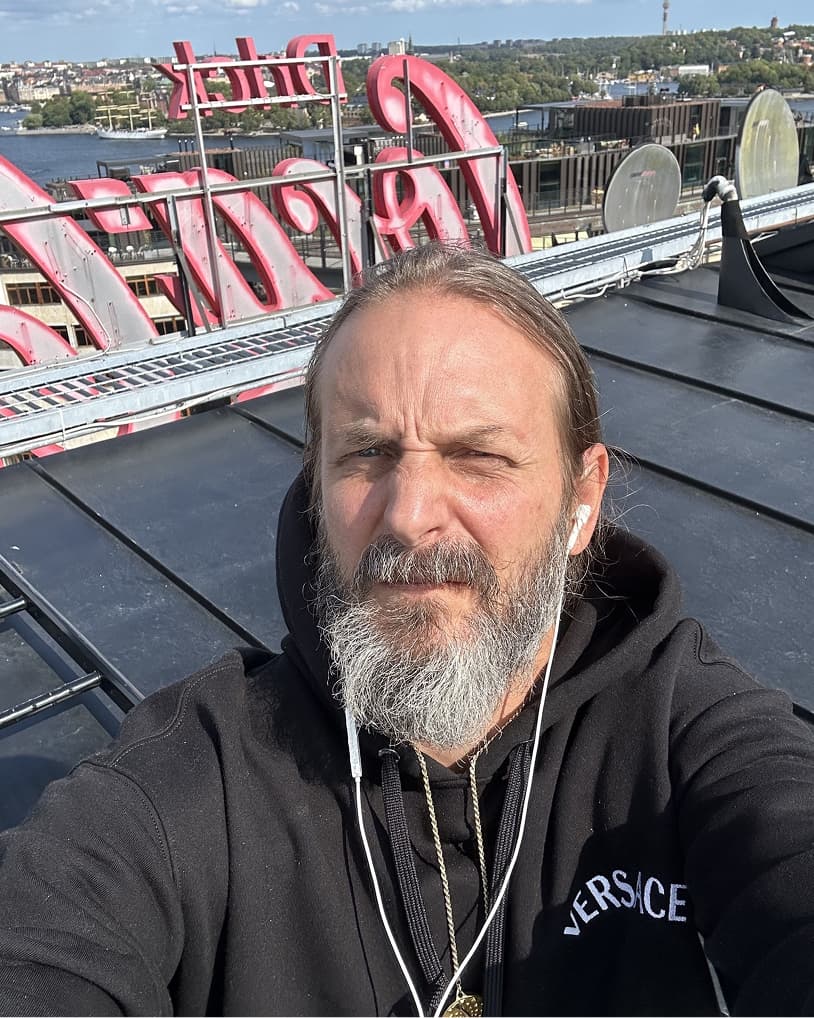
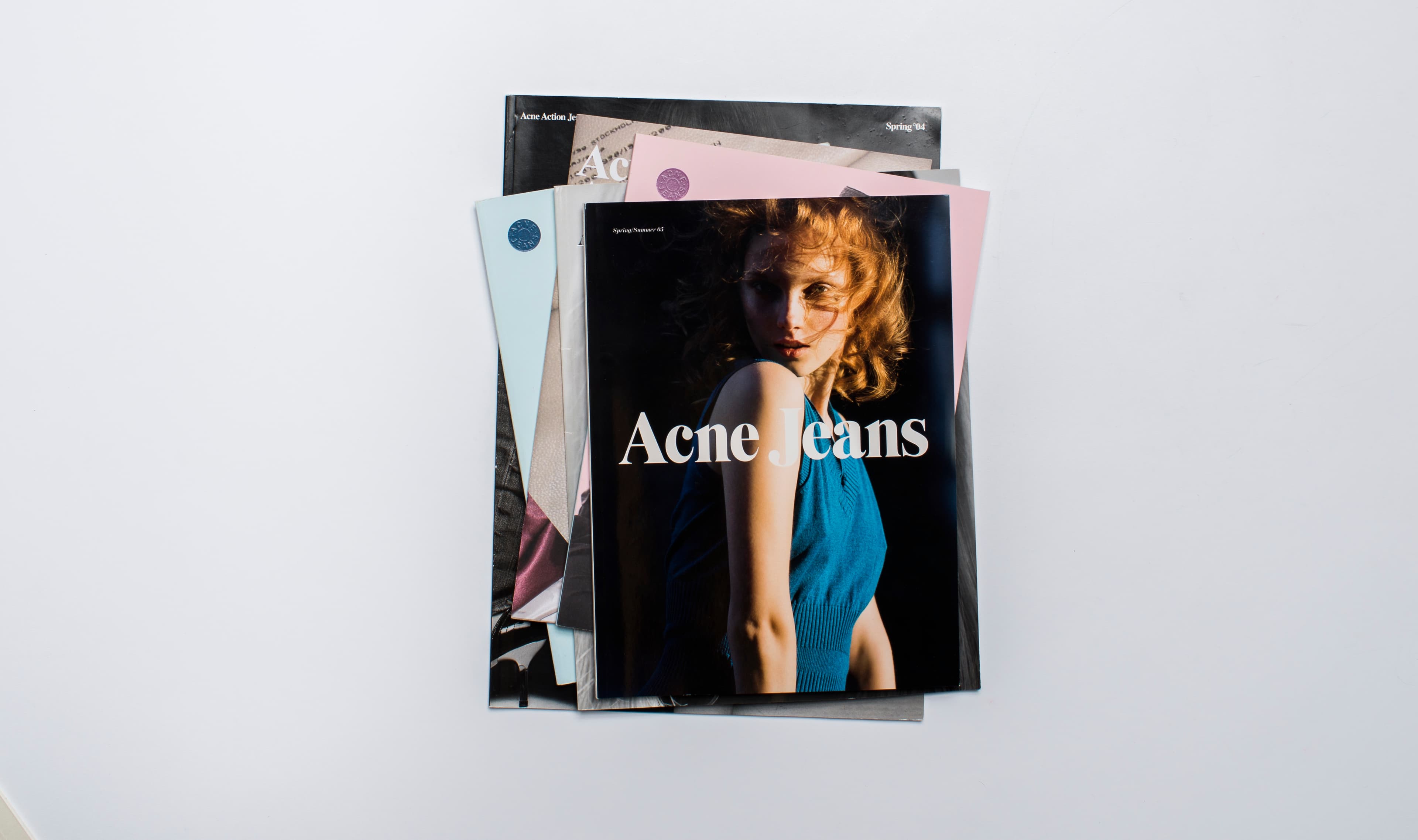
Swedish designer Moses Voigt has spent over two decades shaping brand identities in the space between lifestyle, beauty and fashion. As Creative Director at Acne Art Department, he was behind the visual identities and packaging for Byredo, the early Acne Studios lookbooks, Magasin III Museum & Foundation for Contemporary Art, and P.U.B. Department Store, among others. After a period as Design Director at Happy F&B, he now runs his own Stockholm-based practice, Métier M. Voigt, working with lifestyle, beauty, and luxury clients.
Voigt studied at Beckmans College of Design from 1999 to 2001, but was already working before that, self-taught, assisting at agencies, and drawing everything anyone asked him to draw. Today, he describes his approach less as a visual style and more as a commitment to craft and longevity. He is drawn to work that outlasts trends, identities that function on the level of idea rather than aesthetic, and the kind of slow, considered branding he associates with luxury, not because of the price point, but because of the discipline it demands.
"I was not so much aspiring to just do cool graphic design that vanishes the week after," Voigt says. "I was looking for something that had legacy, longevity in the visual expression." He frames his work as designing for what he calls the universal rather than the contextual. "It's not about what I like, or a specific typeface. It's about making something that is greater than me."
Nordic Brief sat down with him to talk about where it all started.
What was your first commercial project?
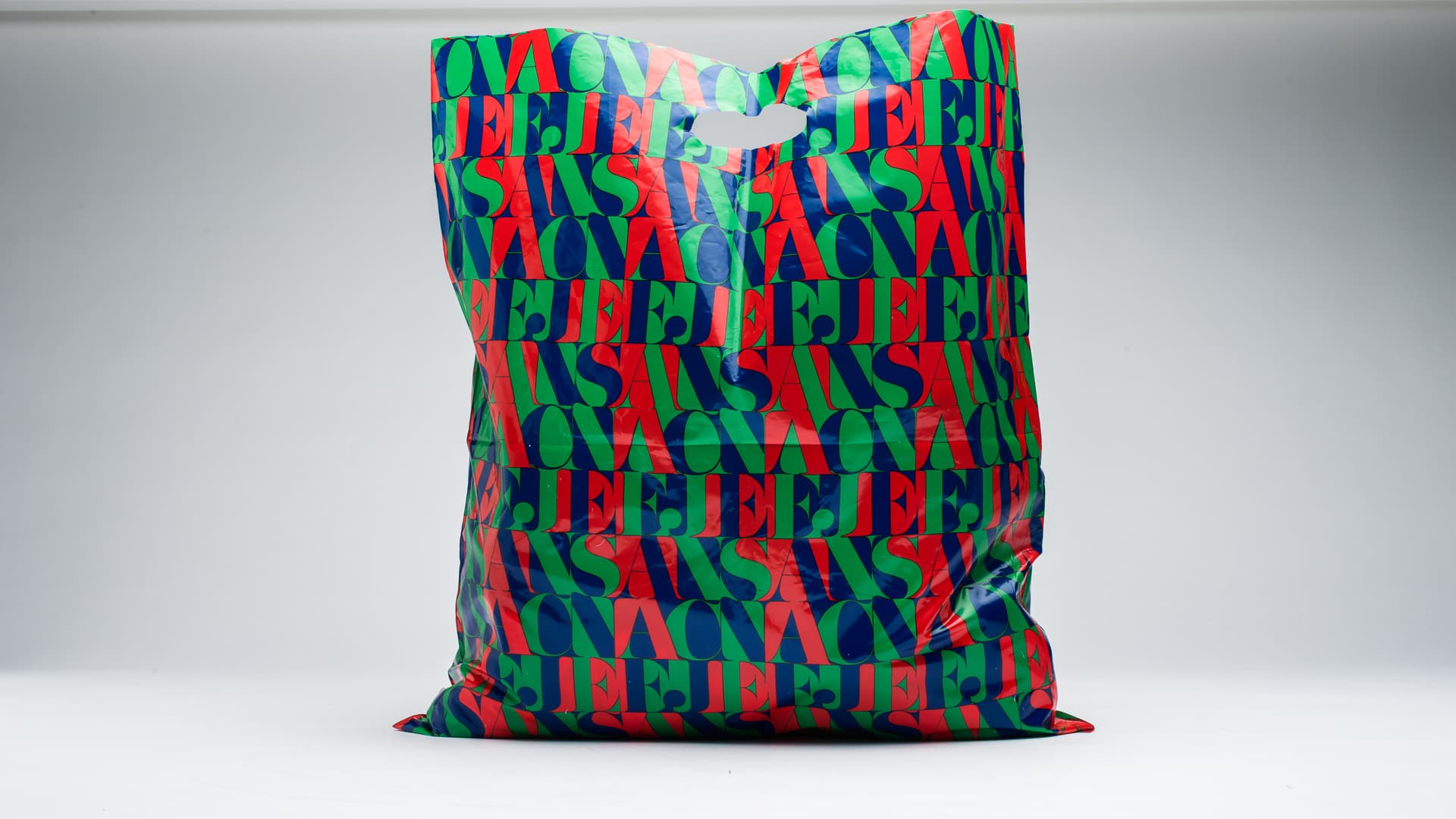
My first paid work was actually an illustration job while I was still studying at Beckmans. A friend who was an art director asked me to do children's book-style illustrations for a bank campaign, something with a rabbit character. I was good at drawing and could copy anything, so I just did it. I took it for the money and because I had time. I was super ambitious. I said yes to everything. But the first real assignment after graduating, the one I'd call my first proper design project, was for a jeans chain store in Stockholm called Solo. I was working at Acne at the time, and they carried Acne jeans, so the connection was natural. We did campaigns for Solo, graphic solutions for their display windows. It was typography-driven: eclectic, sort of three-dimensional physical lettering combined with photography. We were very inspired by what was happening in magazines at the time. And it kind of set the direction for what I still do, working at the intersection of fashion, lifestyle, and branding, though I didn't plan it that way. It chose me, in a way.
“I took it for the money and because I had time. I was super ambitious. I said yes to everything.”
Moses Voigt
Looking back, what would you've done differently?
What I learned — mostly from mistakes and from feeling disempowered when I was younger — is that if you want to do great work, you need to own the assignments. You need to have a say in it. You need to talk to the stakeholders. And what that taught me is that working with strategy is everything. That's where you can translate the problem into a visual problem. You can own the work by being the brand strategist, not just the person who draws the logo. So I've studied that a lot and talked to planners, brand strategists, and now, I'd say I'm as good at that as I am at the craft itself. If I was younger, I would have studied business more. A lot of design schools don't teach the commercial side. They give you a hint of it. But the gap between understanding your craft and understanding how to apply it in the market, that's where you get stuck. If you say "this is a pretty typeface," you won't get anywhere. You have to translate it into business value. And as a designer, you're the only one who can do that.
“You can own the work by being the brand strategist, not just the person who draws the logo. So I've studied that a lot.”
Moses Voigt
What advice would you give to young designers embarking on their first commercial project?
I was self-taught before I went to design school, and I realised that in order for people to listen to me, I needed an education. I had the talent, but I wasn't taken seriously because I had no degree. So I'd say: get an education. Take a critical look at which school you choose. What it gave me was the network and the legitimacy After that, work hard. There are no shortcuts. People talk a lot about knowing the right people, but I think if you have talent and love what you do, it solves itself. I've never done any promotion. I don't even have a website. My clients come word of mouth. I see a lot of young designers getting caught up in trends without understanding the basics. I can see it in the work, talent is there, but the fundamentals aren't. So: get good at the basics. Typography, paper construction etc. Then you can apply your own perspective to it. And listen to yourself. Define your own truth. Find your own voice, even though you're an instrument for others. If you listen to yourself, it's easier to detect what's good and what's bad. Be more discerning. You achieve that by learning the craft first, and then you have something real to build on.