ANTI turns Helvetica against itself to brand Oslo art space GalleryLab
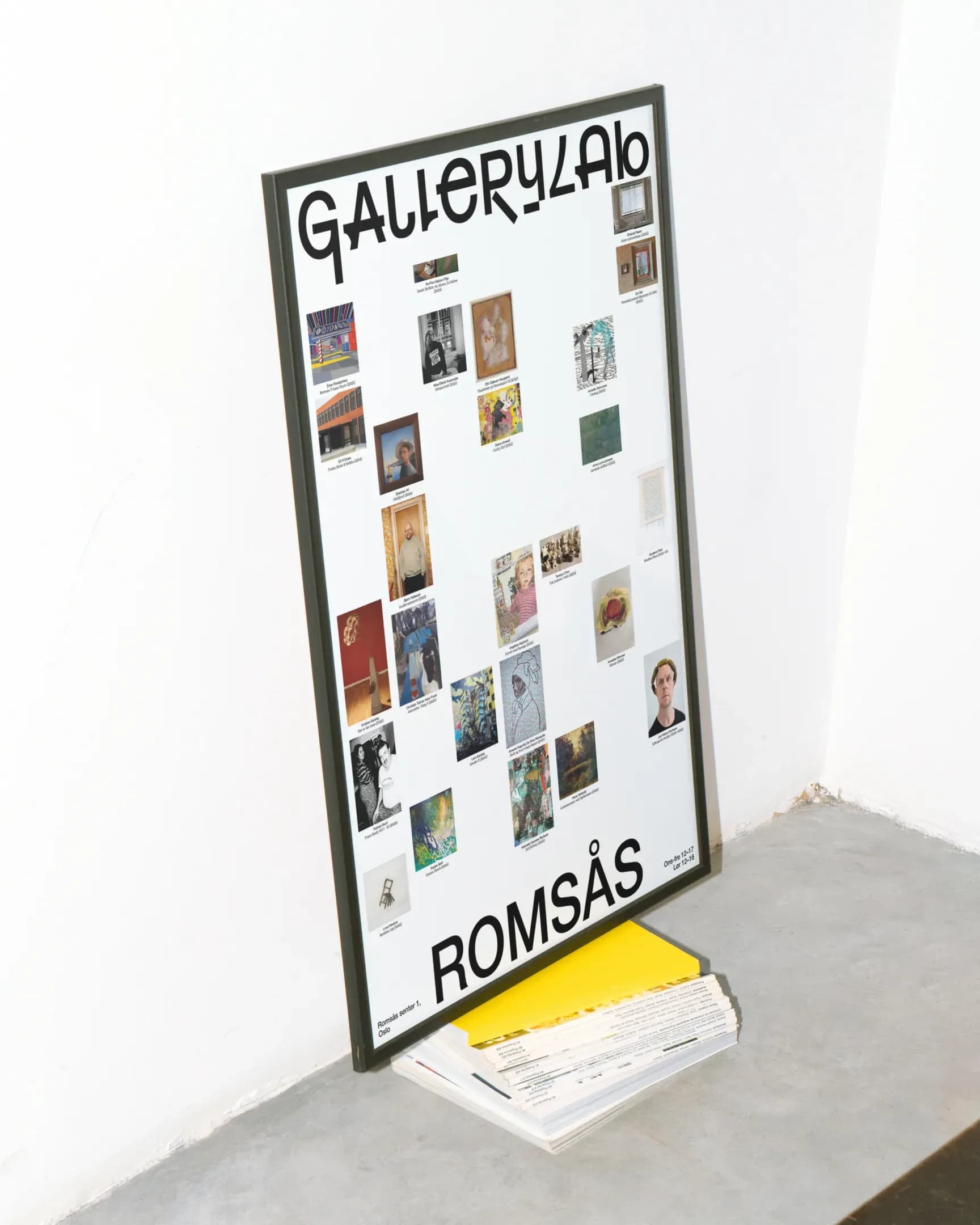
Norwegian agency ANTI has created the visual identity for GalleryLab, a contemporary art platform and exhibition space in Romsås, a residential area on Oslo's northeastern edge. The identity is built on a single, counterintuitive move: taking Helvetica — the typeface most associated with institutional convention — and systematically breaking it apart.
Deconstructing the establishment from within
GalleryLab was established to open Oslo's art scene to voices and perspectives the founders see as underrepresented in the city's institutional landscape. The space is led by the Ferd Art Programme, with its first collaboration involving Kunstnerforbundet, one of Scandinavia's oldest artist-run galleries, focusing on artists from the Groruddalen district.
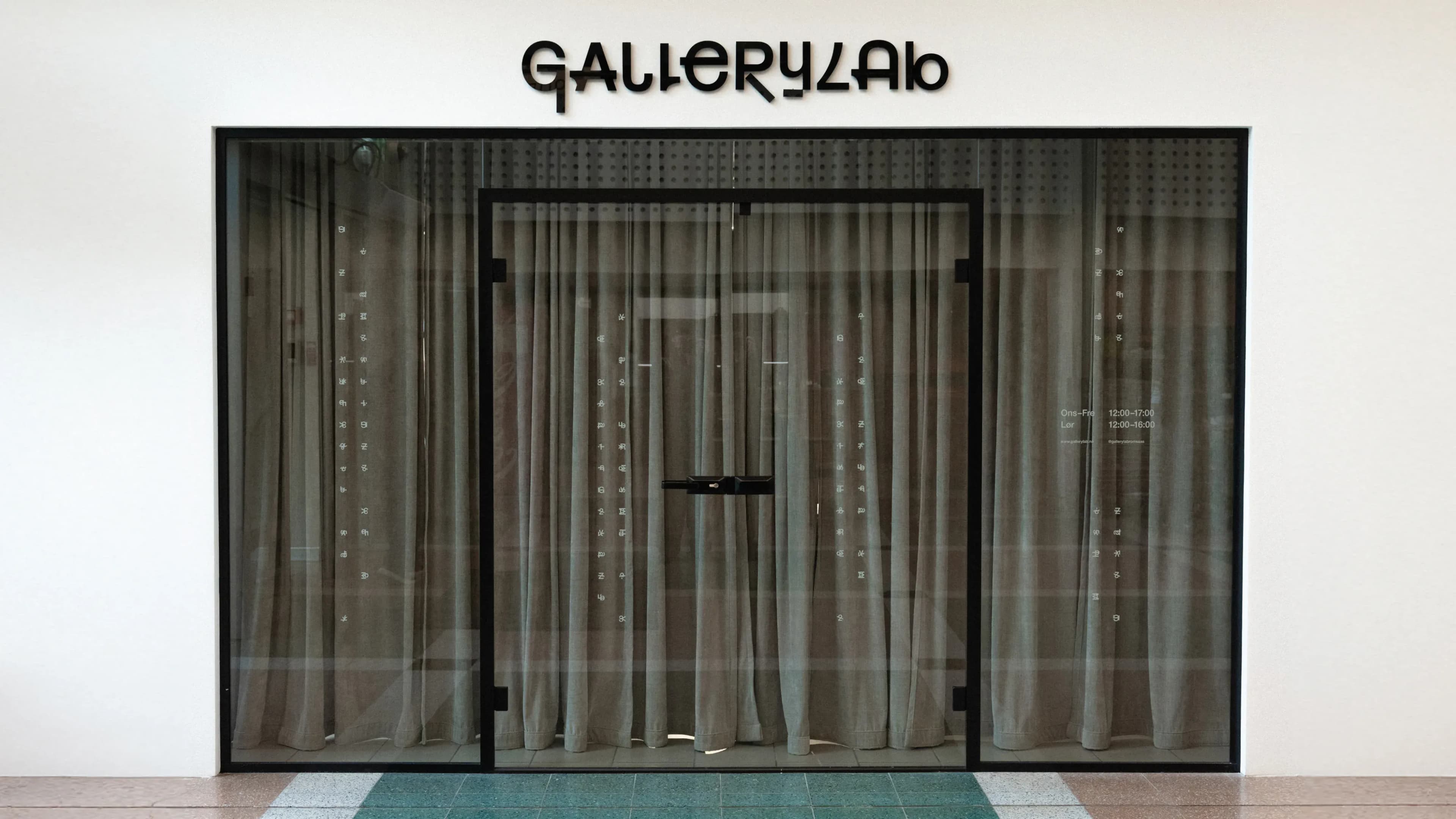
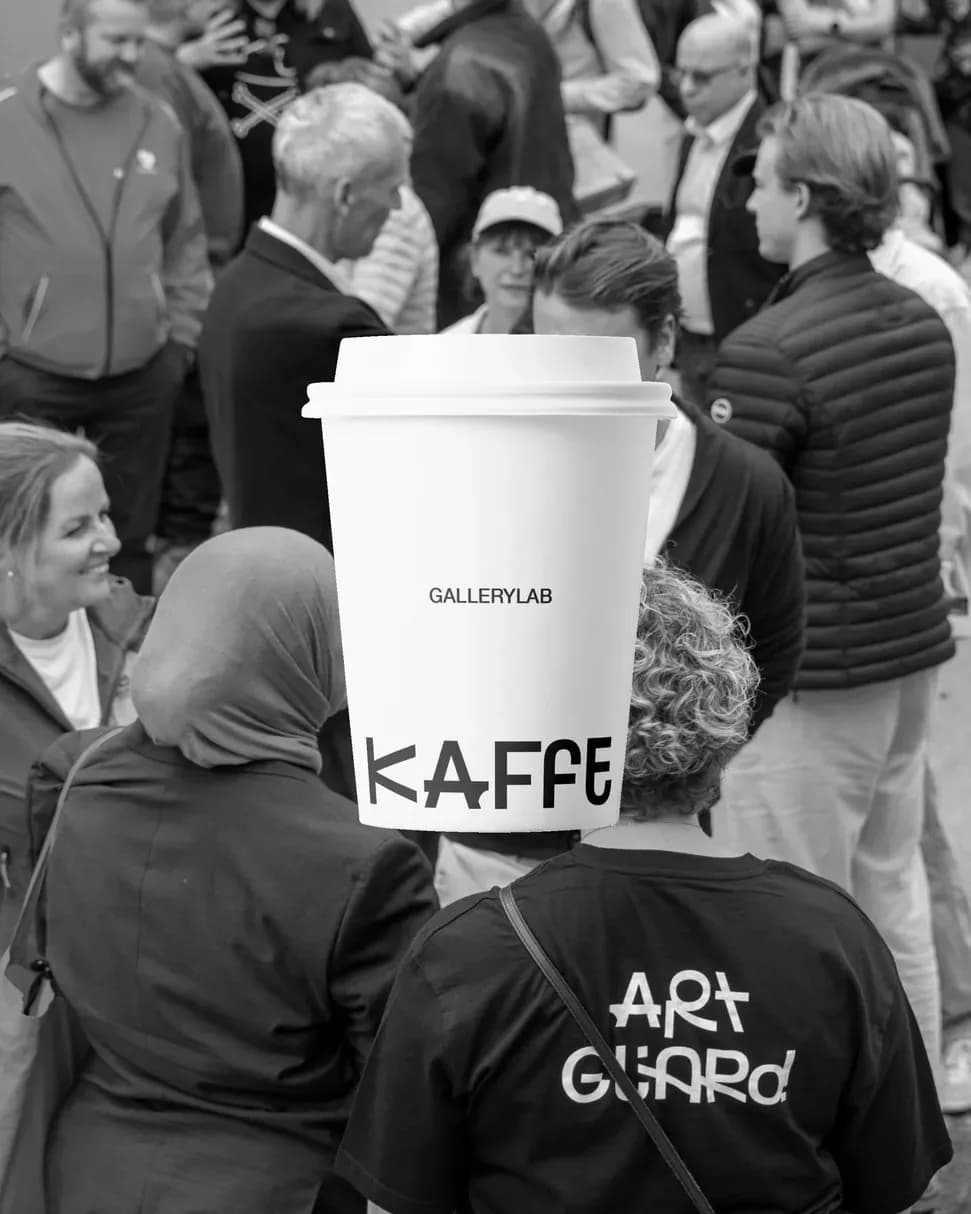
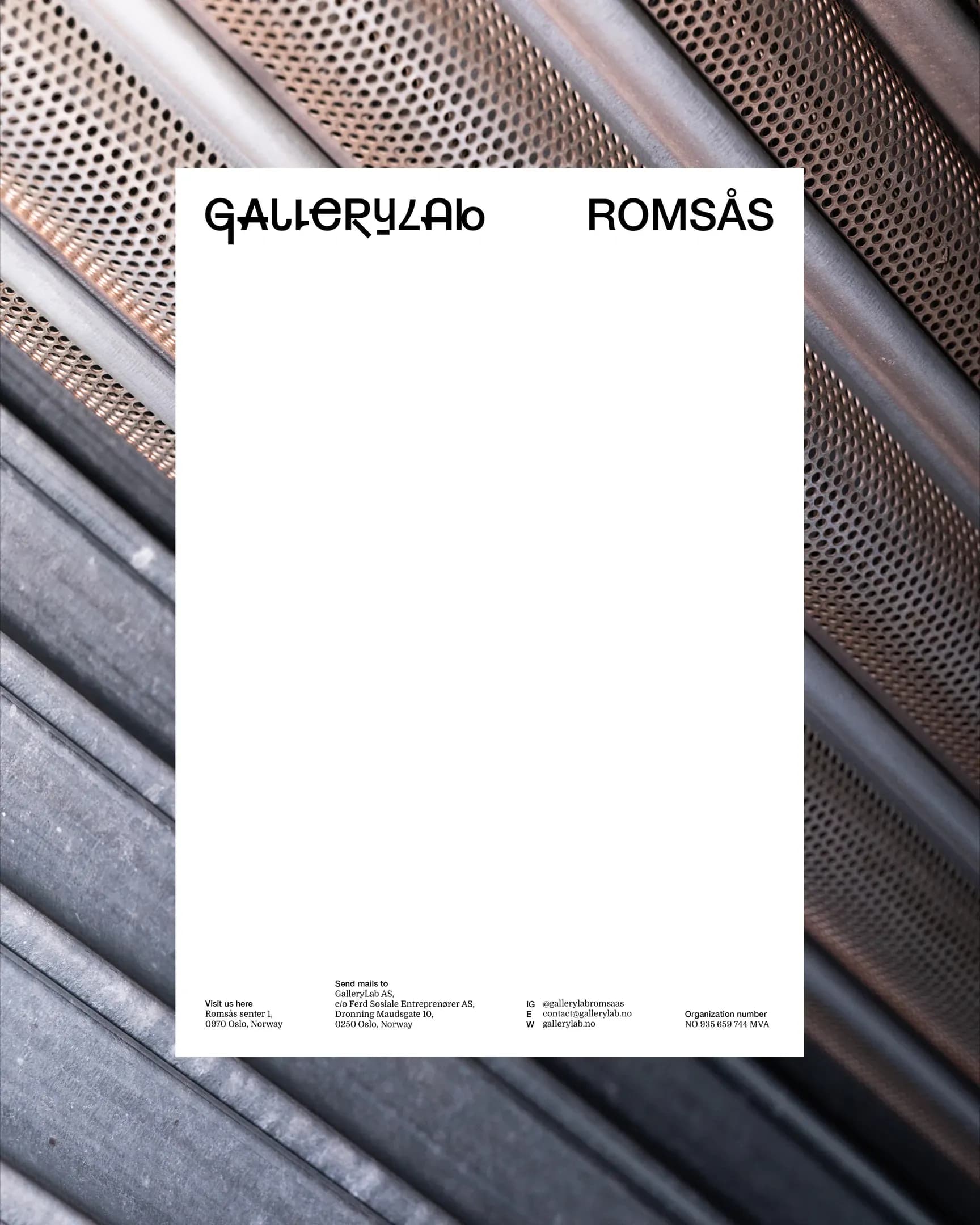
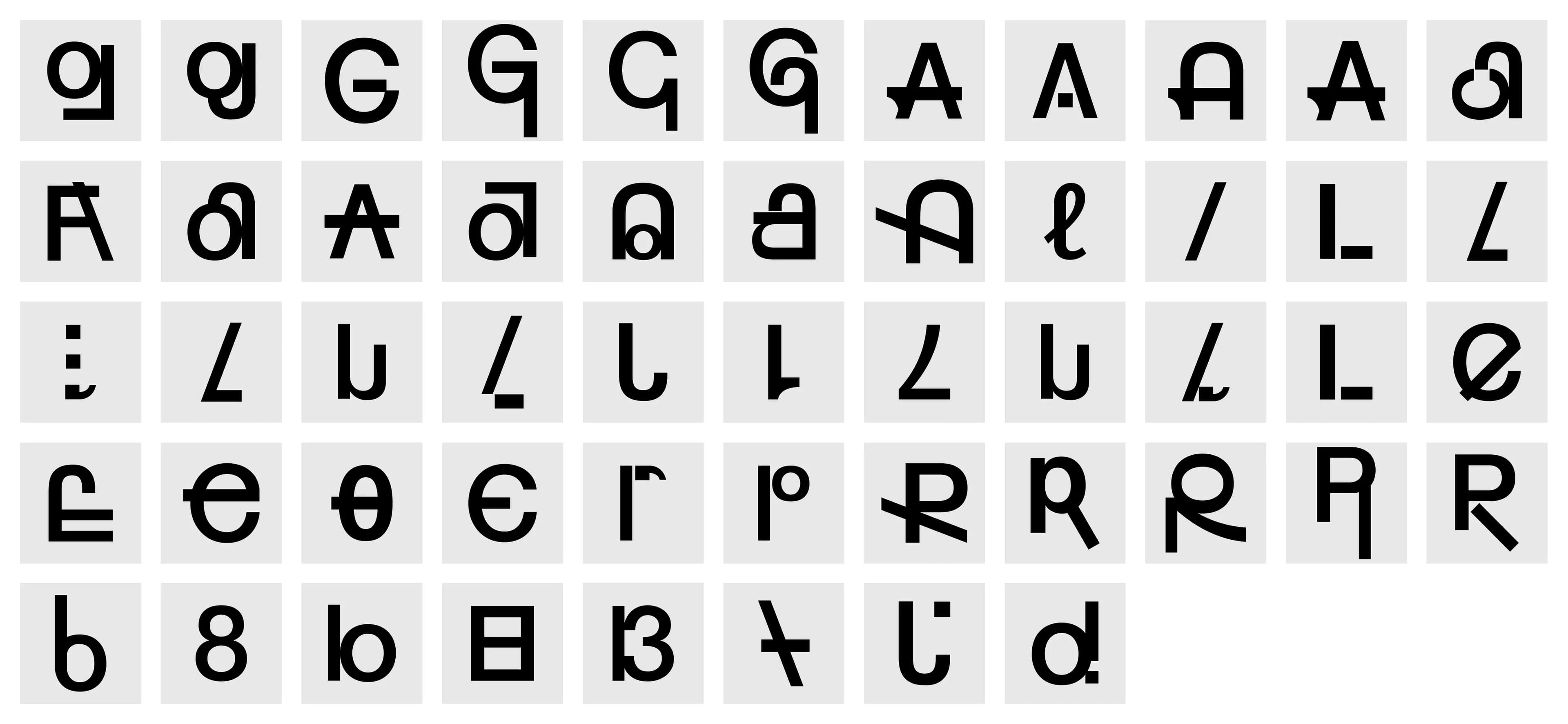
To express that mission visually, ANTI chose Helvetica as a starting point — not despite its ubiquity, but because of it. The team analyzed Helvetica's letterforms and deconstructed them using alternative character sets and glyph variants from within the same type family. The individual letters were then reconstructed through rotation, mirroring, and displacement, producing a logo that reads as both familiar and unfamiliar.

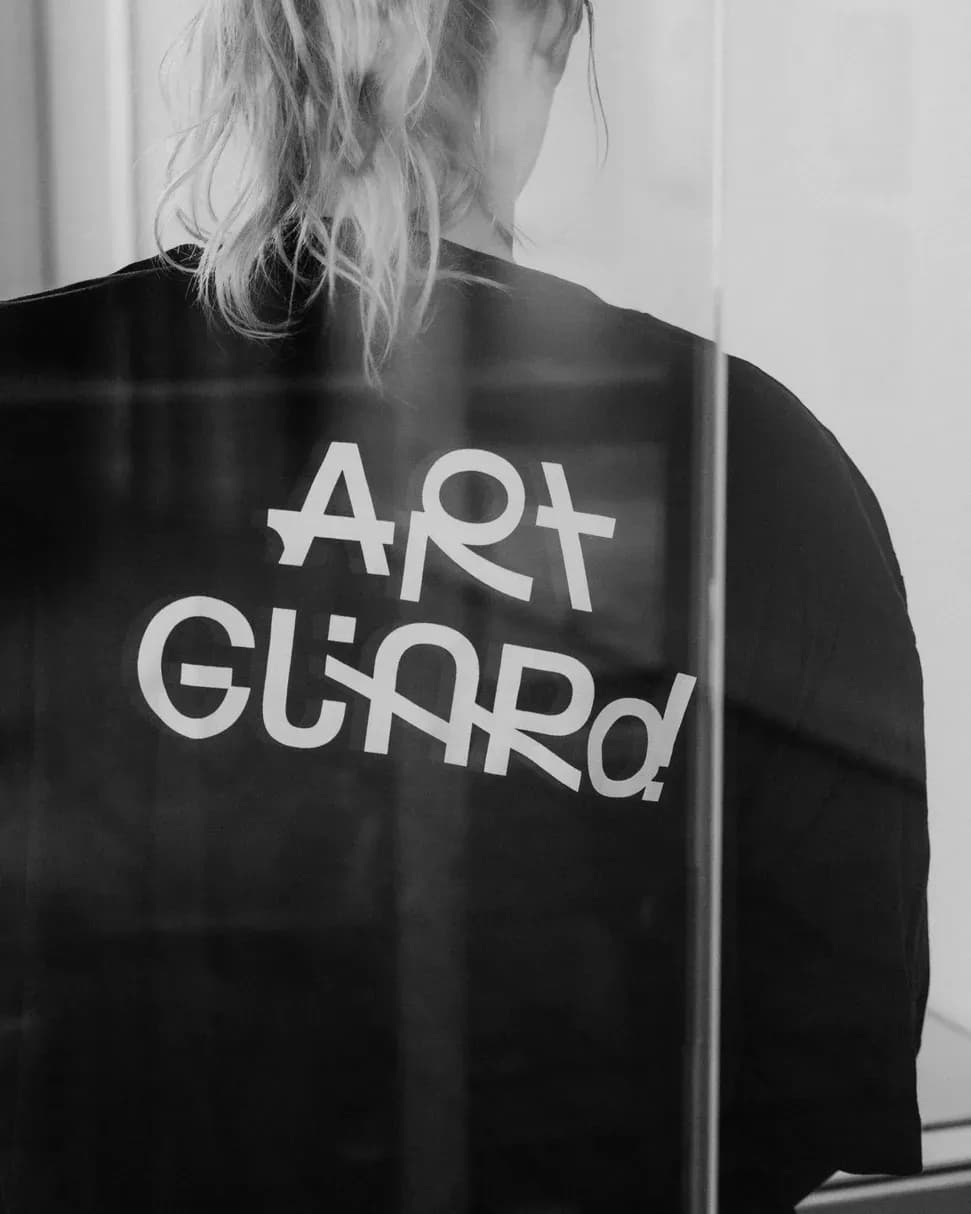
“Rather than just picking an expressive new font, we chose to deconstruct the visual language of the establishment itself. By transforming a typeface as familiar as Helvetica, we aren't just creating a new style — we are showing that the art scene can be opened up and reimagined from the inside out.”
Håkon Meyer Stensholt, Senior Graphic Designer at ANTI.
Extending the methodology beyond the logotype
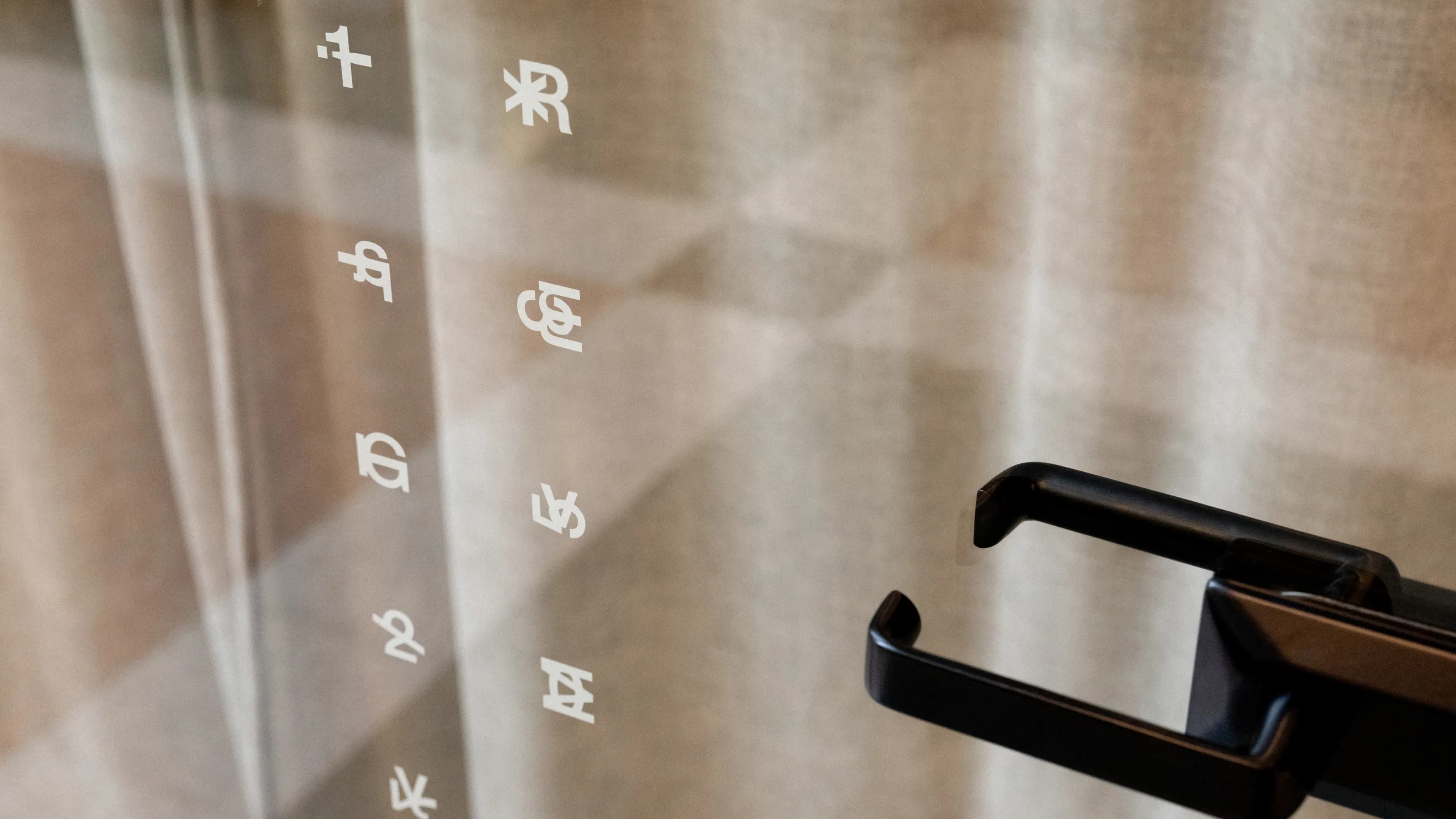
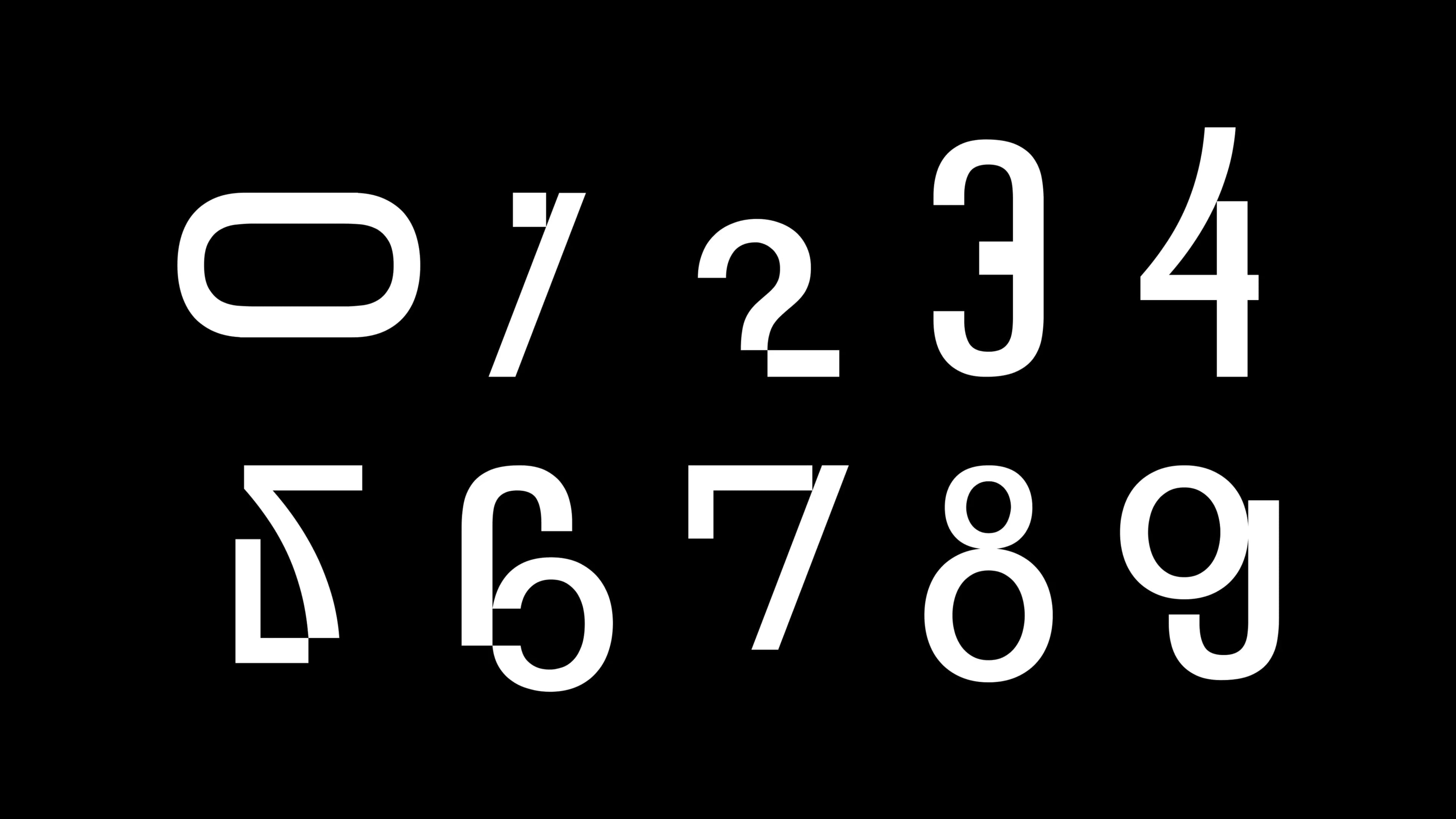
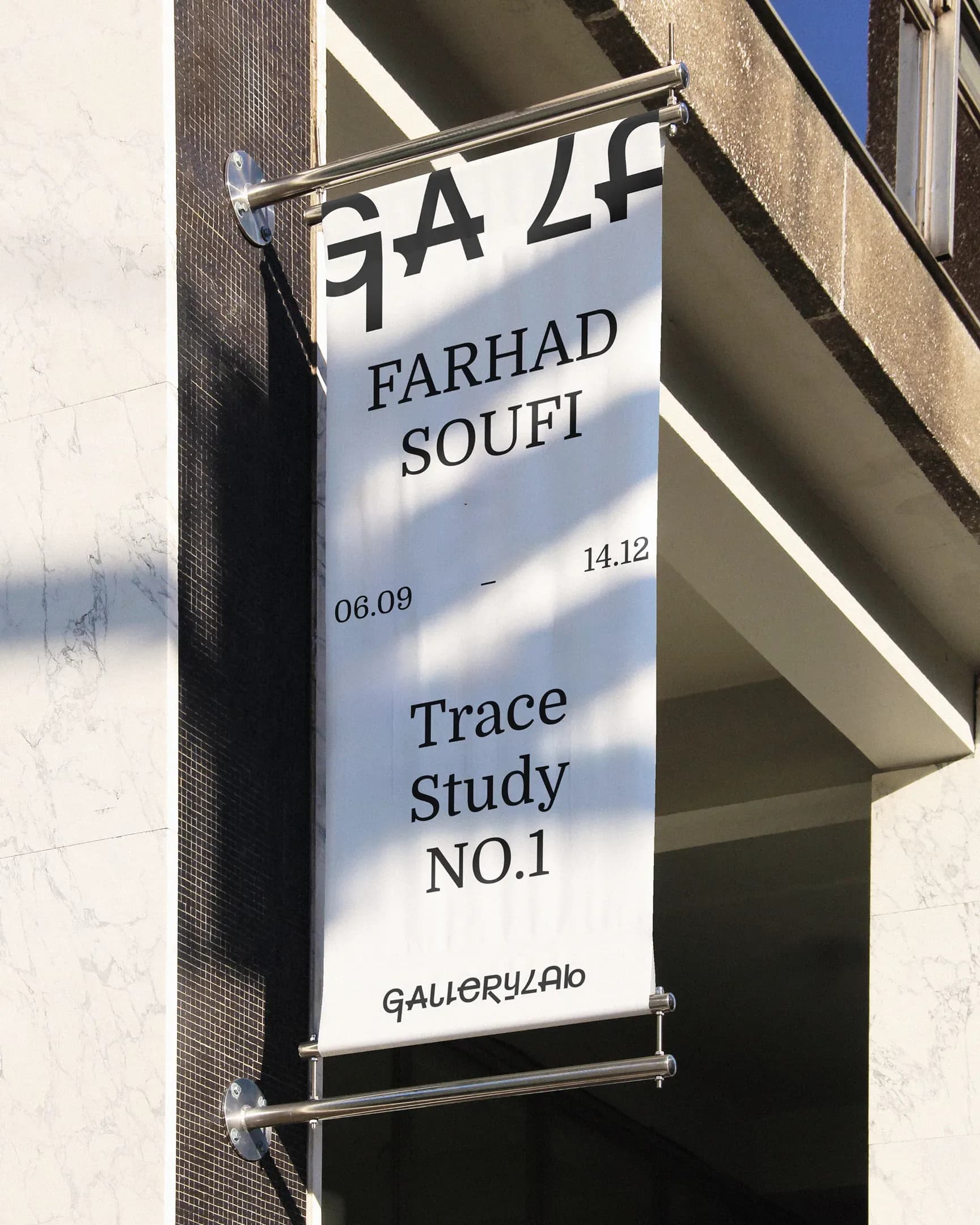
The same system of deconstruction and reassembly is applied to icons, numerals, and graphic patterns. Eighteen grid-based symbols form a modular pattern designed for the physical exhibition space, while the logo animation cycles through shifting letterforms — a reference to the diversity of perspectives the platform aims to represent.
The identity is entirely black and white — a decision driven by the art, not the brand. "Our goal is a brand that is visually distinct yet remains a neutral backdrop, ensuring the artists and the artwork take center stage," Stensholt says. "Color is activated by each exhibition; the artists and their work define the palette, allowing the gallery's identity to evolve with every show."